Primary School
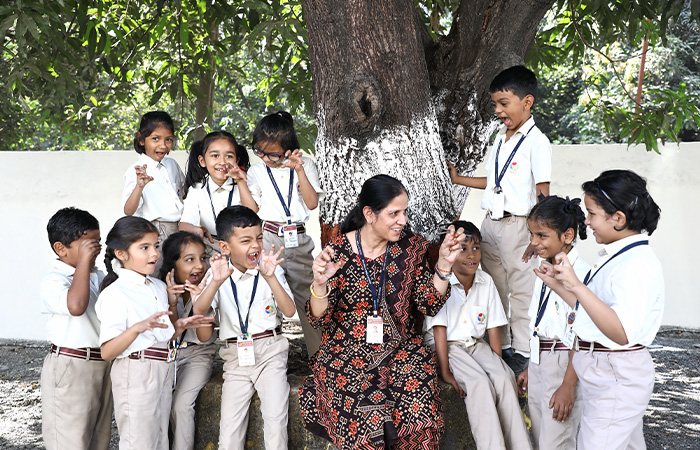
The Curriculum for grades 1-5 is thoughtfully planned to ensure that each child at school enjoys these years in learning, discovery and creative engagement. Research on how the brain learns best, developmental appropriateness, the theory of Multiple Intelligences and the National Curricular Framework, 2005 have guided the planned curriculum.
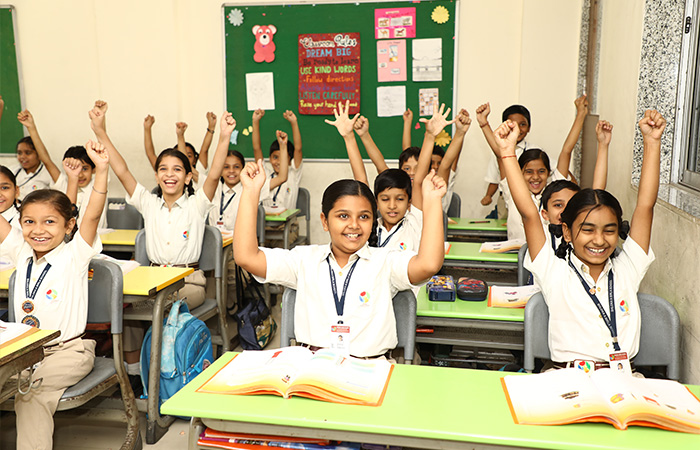
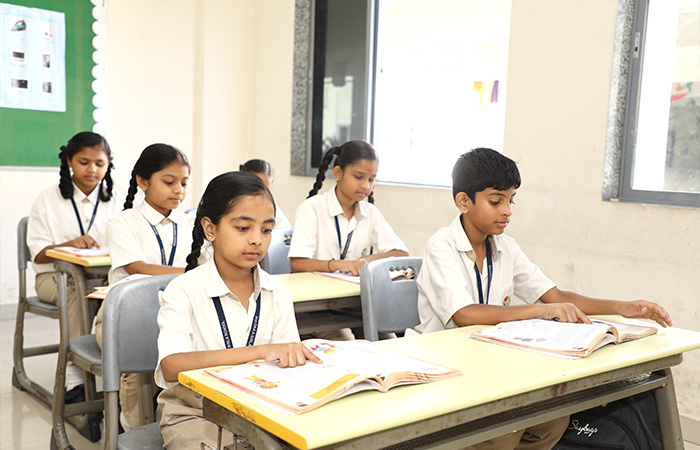
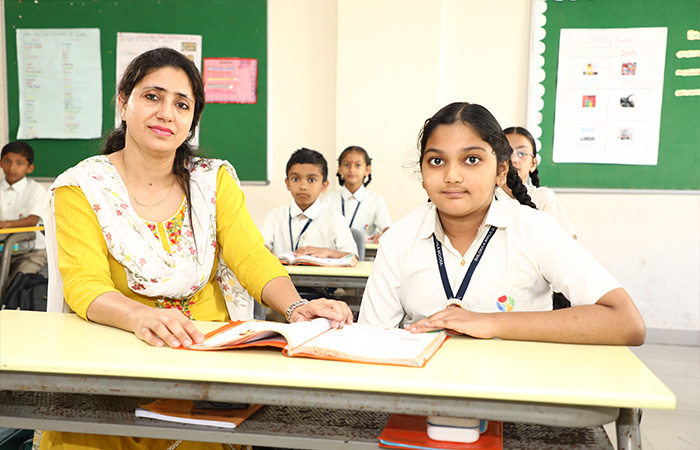
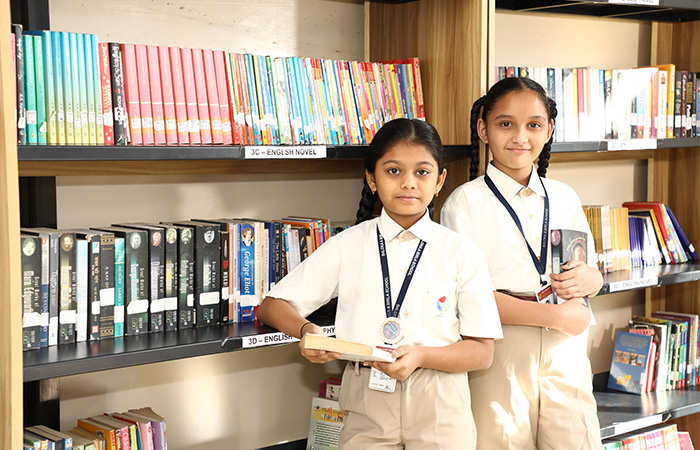
Learning Environment is an affirmative and enabling one. Bright airy learning spaces, creative learning centres, comfortable reading nooks, integrated laboratories, ICT laboratories, exciting and interactive display boards, break out and break free zones and so on create an environment that catalyses learning.
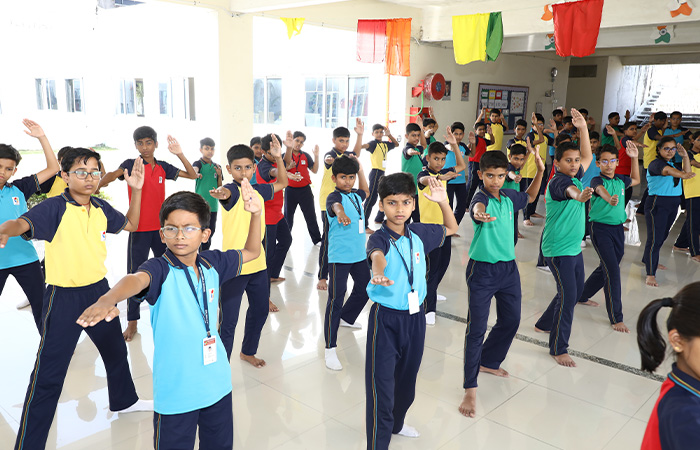
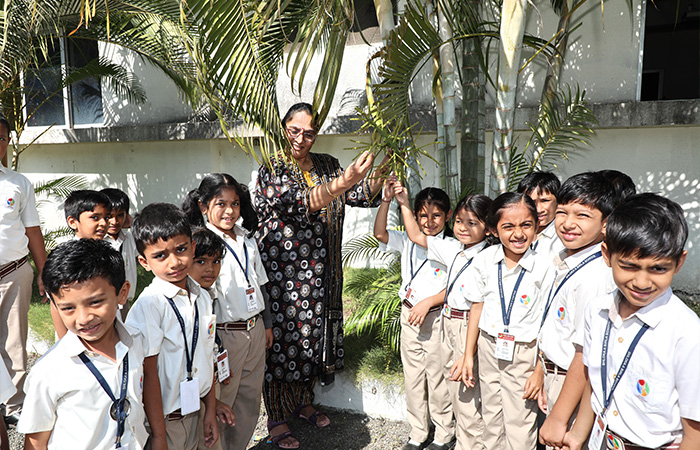
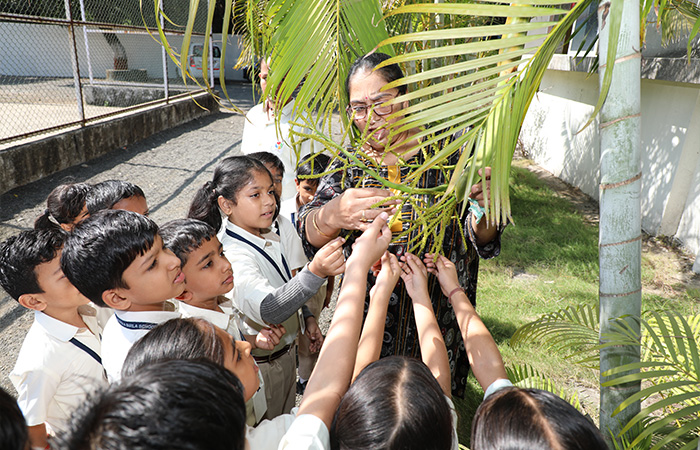
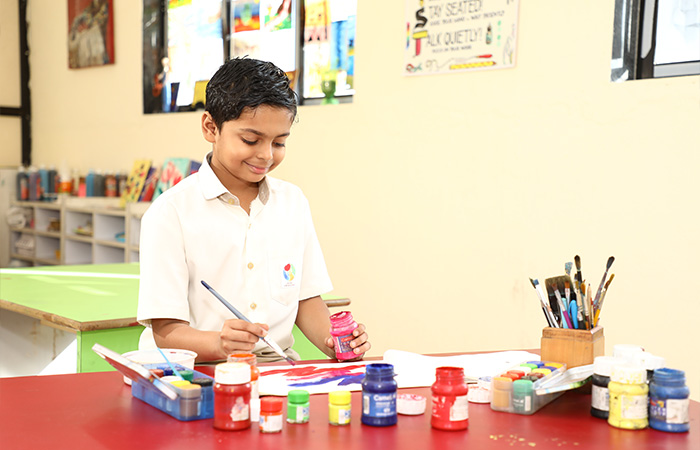
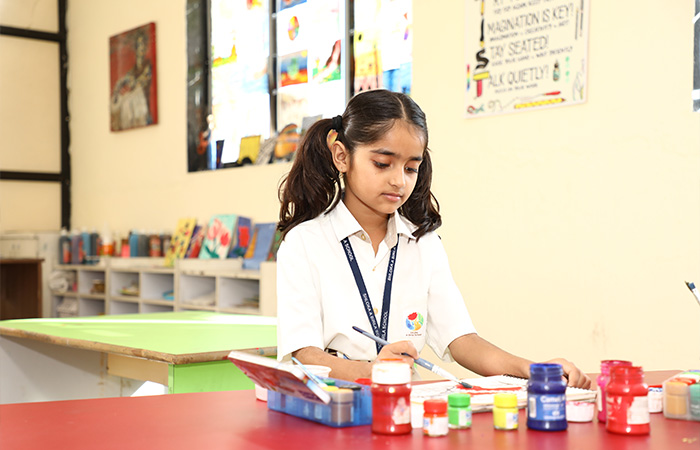
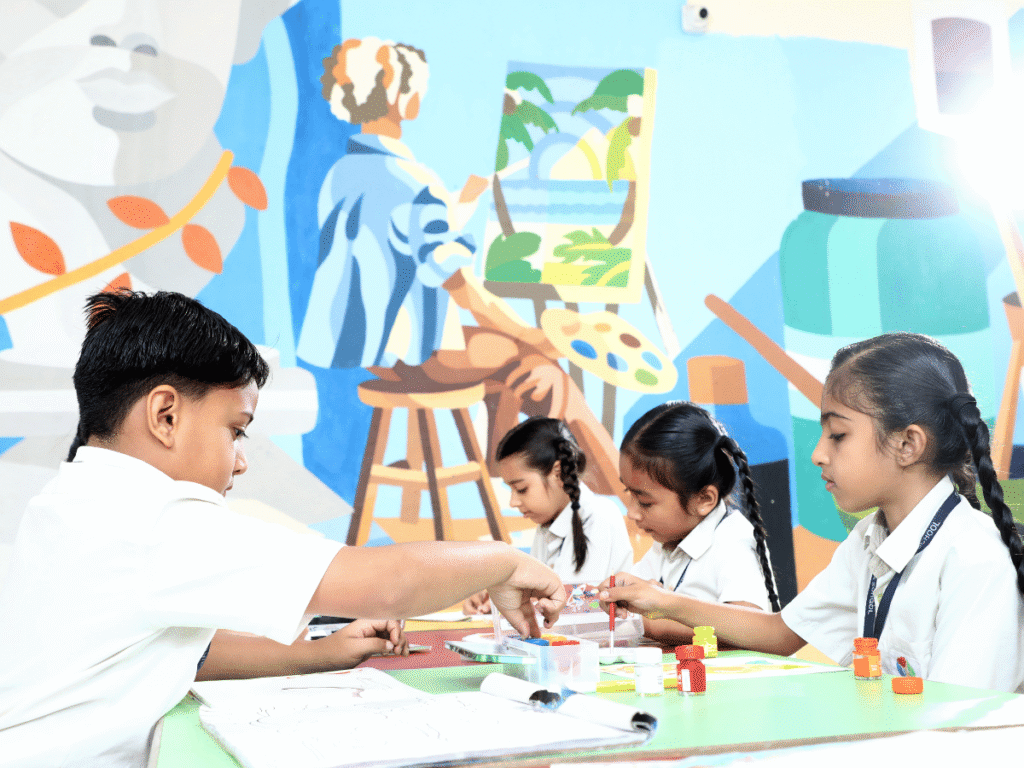
The main emphasis in Primary Education will be activity-oriented. Children are provided with a variety of co-curricular and extra-curricular activities that would help them discover their own creative talents. Computer, smart class rooms and outdoor trips play a good role in the learning process of children in the Primary Section.
Monthly test papers and terminal examinations are conducted on a regular basis for assessing the step-by-step progress of students. Focus is given to good conduct and character formation in pupils.
The Saturday activities bring out the creative talent in children. Emphasis is given to spoken English as it is the language of the world. The language lab helps children to perk up their skills.
All these thoughtful processes ensure the fulfilment of our ultimate goal of teaching in a way that all students learn.
Core Educational Frameworks
Integrated & Thematic Curriculum
Connects learning across subjects through meaningful themes and real-world contexts. Students explore concepts holistically, seeing how disciplines intersect — making knowledge transferable and deeply retained.
Diverse Teaching & Learning Strategies
Employs a rich repertoire of instructional approaches — collaborative learning, inquiry-based tasks, direct instruction, simulations, and more — to engage every learner and address varied learning preferences.
Differentiated Instruction
Tailors content, process, product, and environment to meet the unique needs, readiness levels, interests, and learning profiles of every student — ensuring equitable access to quality education for all.
21st Century Skills & Competencies
Cultivates the 4Cs — Critical Thinking, Creativity, Communication, and Collaboration — alongside digital literacy, information fluency, and global citizenship to prepare learners for an ever-changing world.
Cross-Curriculum Teaching
Deliberately weaves shared themes, skills, and concepts across multiple subject areas within a single lesson or unit — enabling students to discover connections and apply thinking strategies beyond one discipline.
Assessment for Learning
Shifts assessment from a summative event to a continuous, formative dialogue. Exit slips, peer feedback, observations, and learning portfolios inform instruction in real-time and empower students to own their growth.
Culturally Relevant Text
Selects texts, stories, and materials that reflect students' cultural backgrounds and lived experiences. Inclusive literature validates identity, builds empathy, broadens worldviews, and deepens critical reading skills.
Bloom's Taxonomy
A hierarchical model of cognitive objectives that guides educators in designing questions and tasks across six levels — from foundational recall to sophisticated creation. It ensures that instruction challenges students to think at progressively higher orders.
Howard Gardner's Multiple Intelligences
Challenges the notion of a single IQ by proposing eight distinct types of intelligence. Each learner possesses a unique profile, and educators who design varied entry points — musical, spatial, kinesthetic, linguistic, and more — reach every student more effectively.
Our Activities
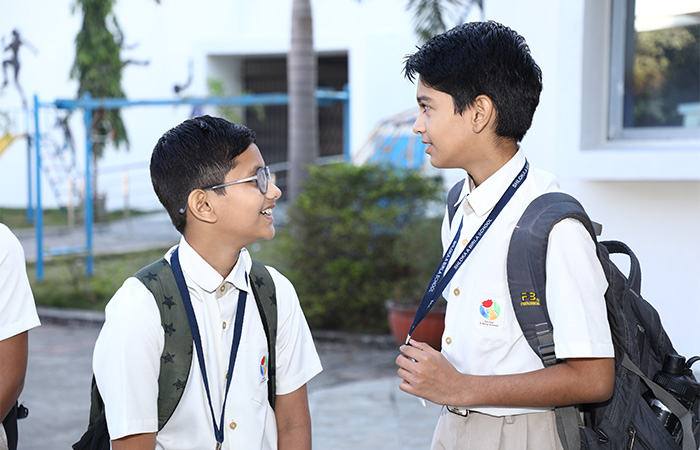
Glimpses of campus life showcase learning, fun, friendships, and growth through activities, events, and everyday moments that shape unforgettable student experiences.