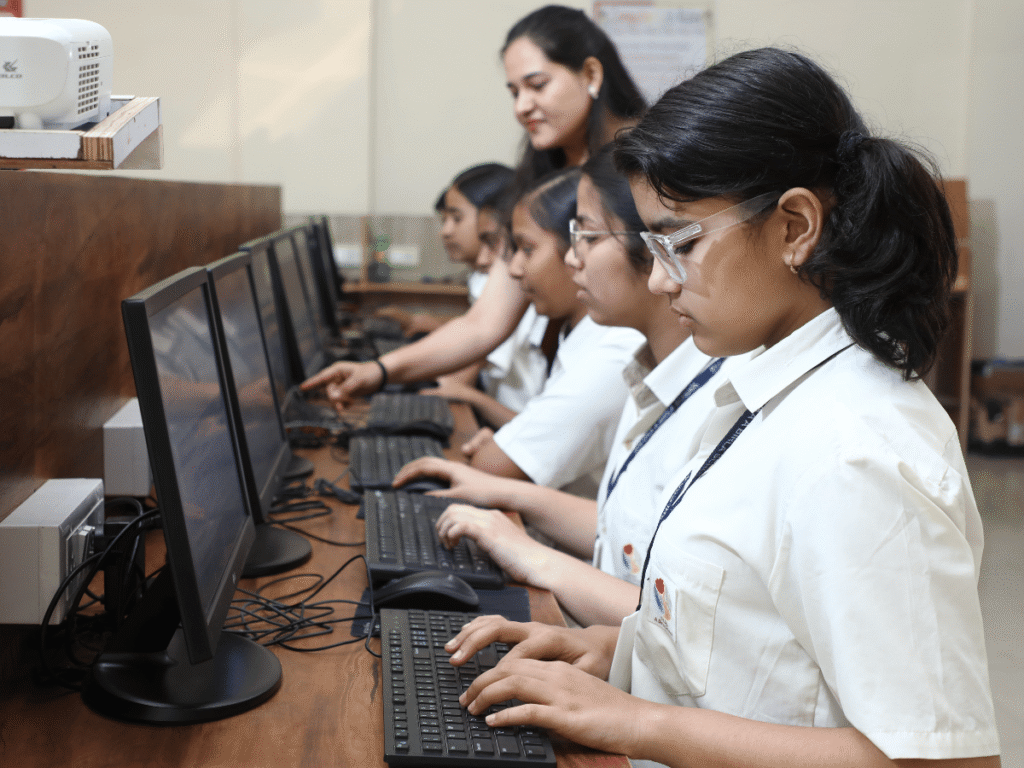
Middle School
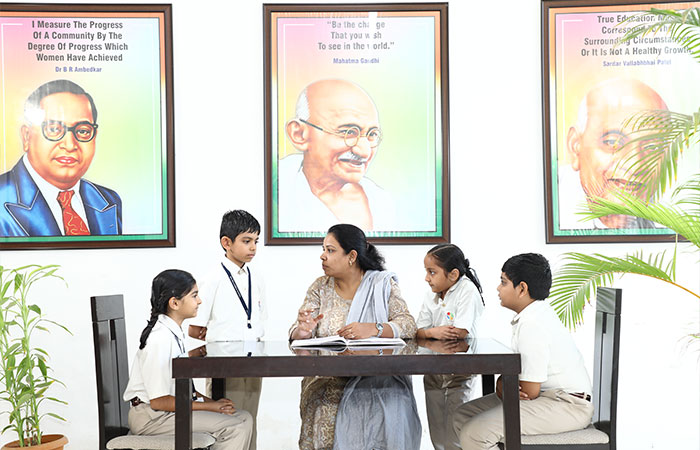
The Middle school years are very important as this stage prepares them for senior classes. Also, the kids are at puberty and have to be handled with love, affection and care. They start to command our attention as individuals and it needs due respect and care from teachers. The reassurance and confidence instilled at this stage matters a lot.
At Shloka A Birla School Vapi, we emphasise on providing an inspiring school environment that enables a shift from rote methods to a course beyond textbooks.
The curriculum aims to provide experiences and opportunities for students to think differently, analyse and evaluate independently and foster a place where we can soften subject boundaries and connect knowledge to life outside the school.
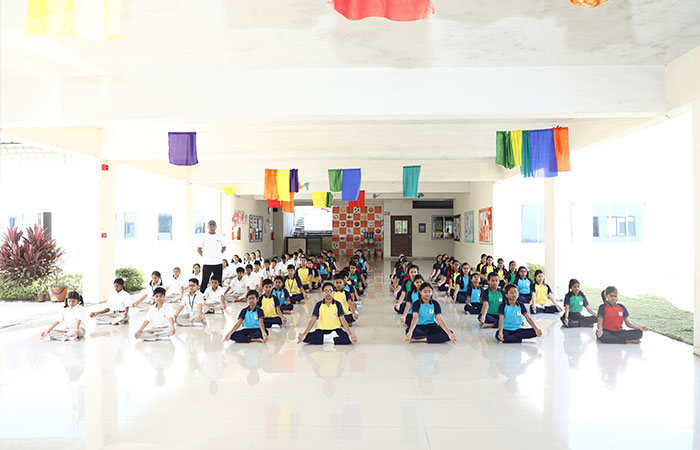
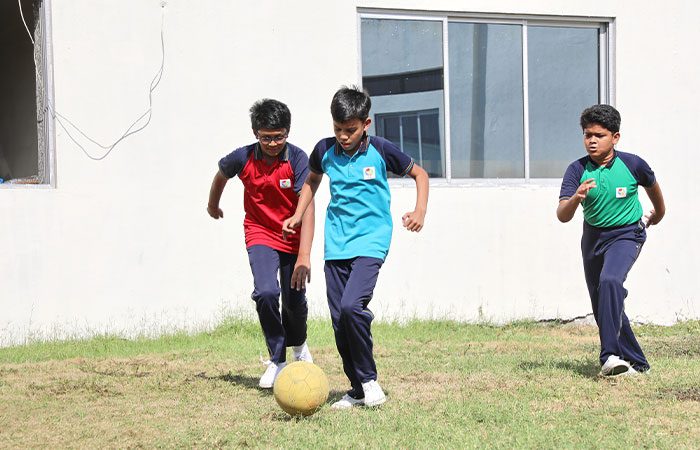
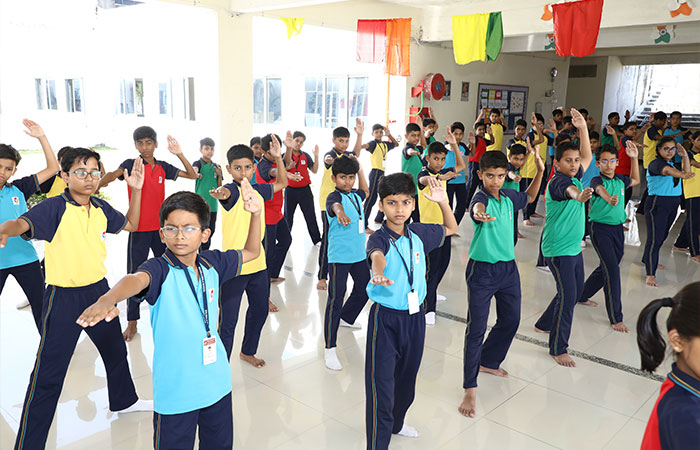
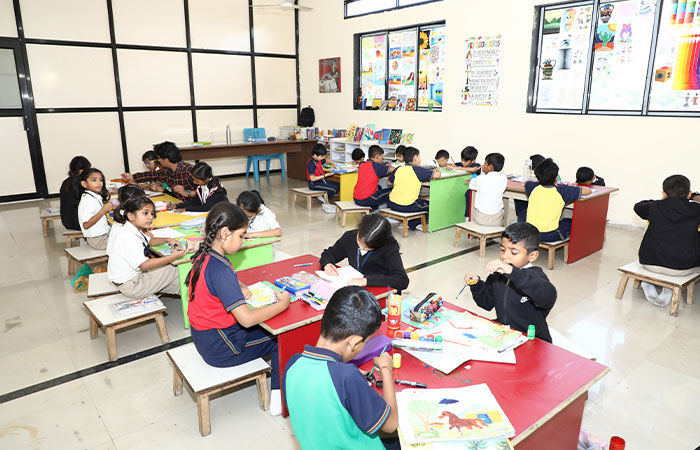
The co-scholastic areas of the middle school give the students the opportunity to express themselves – such as arts, drama, music, various individual and team sports and community service projects. Life Skills and Physical Education and Outbound Programmes are also an integral part of the middle and high school curriculum.
Educational Framework Highlight Points
Integrated & Thematic Curriculum
- Connects Math, Science, ELA & Social Studies through one unifying theme
- Uses real-world problems as the anchor for all subject learning
- Students see relationships between concepts across disciplines
- Reduces content fragmentation; deepens long-term retention
- Encourages project-based and inquiry-driven units
Diverse Teaching & Learning Strategies
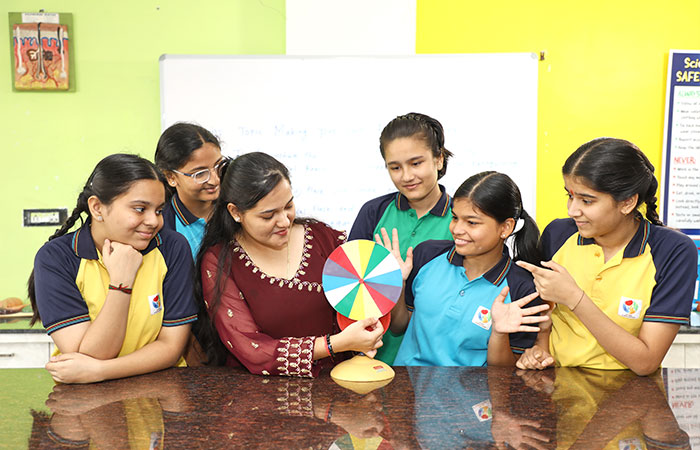
- Mix of direct instruction, cooperative learning & inquiry-based tasks
- Think-Pair-Share, Jigsaw, role play & Socratic seminars
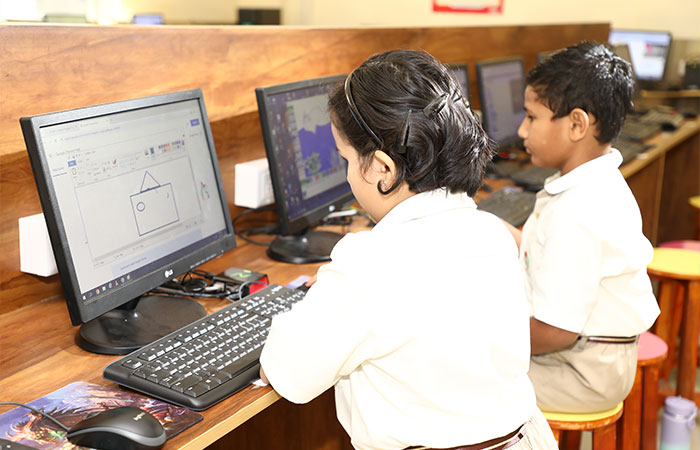
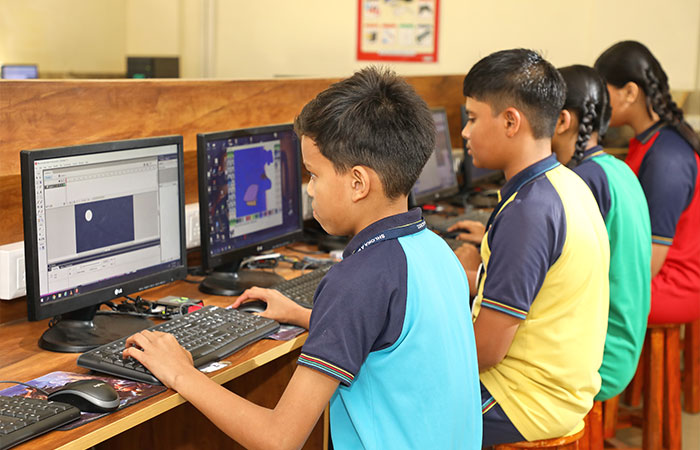
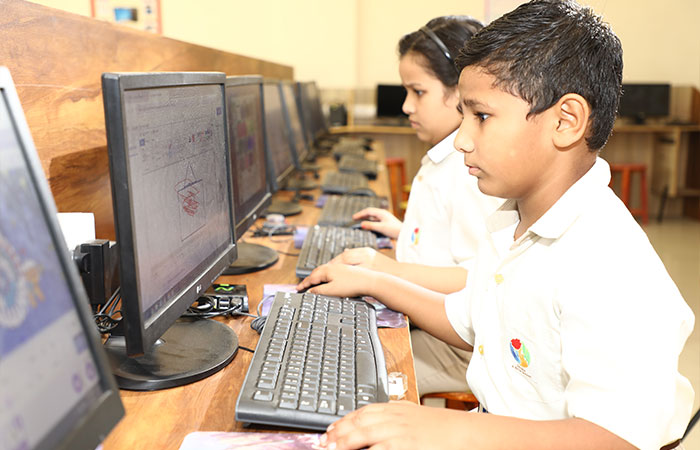
- Technology-enhanced lessons — simulations, multimedia & digital tools
- Varied pacing responds to student readiness in real time
- Flipped classroom promotes active in-class engagement
Differentiated Instruction
- Tiered tasks match learner readiness — not a one-size-fits-all approach
- Flexible grouping (pairs, small groups, individual) shifts each unit
- Choice boards let students select how to demonstrate mastery
- Scaffolding & extensions ensure no learner is left behind or unchallenged
- Respects diverse learning profiles, interests & readiness levels
21st Century Skills & Competencies
- The 4Cs: Critical Thinking, Creativity, Collaboration, Communication
- Digital literacy — responsible use of technology & online tools
- Information fluency: finding, evaluating & applying credible sources
- Global citizenship & cross-cultural awareness woven into lessons
- Problem-solving mindset embedded across all subject areas
Cross-Curriculum Teaching
- Shared themes taught deliberately across multiple subject areas
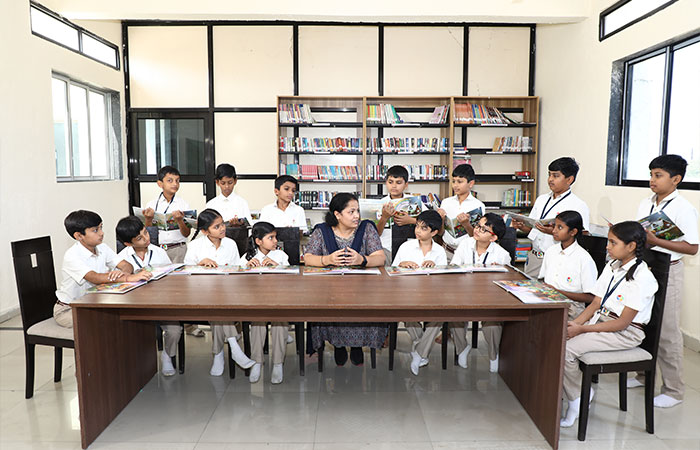
- Literacy skills (reading, writing, discussion) embedded in every class
- Numeracy & data interpretation used in Science, Humanities & Arts
- STEAM approach bridges creative and analytical thinking
- Transferable skills reinforced consistently school-wide
Assessment for Learning
- Formative check-ins: exit slips, quick polls & observation notes
- Descriptive, timely feedback drives next steps — not just grades
- Peer and self-assessment build metacognitive skills
- Portfolios document growth and celebrate learning journeys
- Data from formative tasks directly informs lesson adjustments
Howard Gardner's Multiple Intelligences
- 8 types: Linguistic, Logical, Spatial, Musical, Kinesthetic, Interpersonal, Intrapersonal, Naturalistic
- Lessons offer varied entry points to honour each learner's strengths
- Products & tasks designed so every type of intelligence can shine
- Reduces bias of single-measure intelligence testing
- Encourages students to identify and own their unique strengths
Bloom's Taxonomy
- Six levels: Remember → Understand → Apply → Analyze → Evaluate → Create
- Questions & tasks designed to reach higher-order thinking
- Moves students beyond recall toward synthesis & critical evaluation
- Verbs guide lesson objectives: compare, justify, design, construct
- Assessment aligns to the cognitive level targeted in each objective
Culturally Relevant Text
- Texts & media reflect students' backgrounds & lived experiences
- Diverse authors and perspectives represented in every reading list
- Validates student identity and fosters pride in cultural heritage
- Builds empathy, global awareness & respect for other communities
- Strengthens critical reading skills through meaningful, relatable content
Our Activities
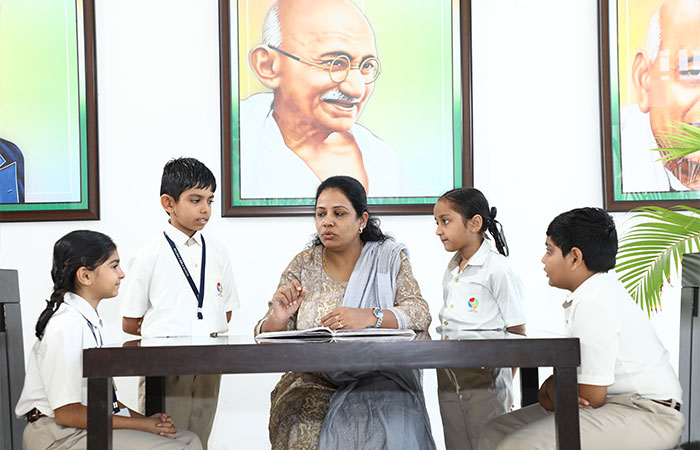
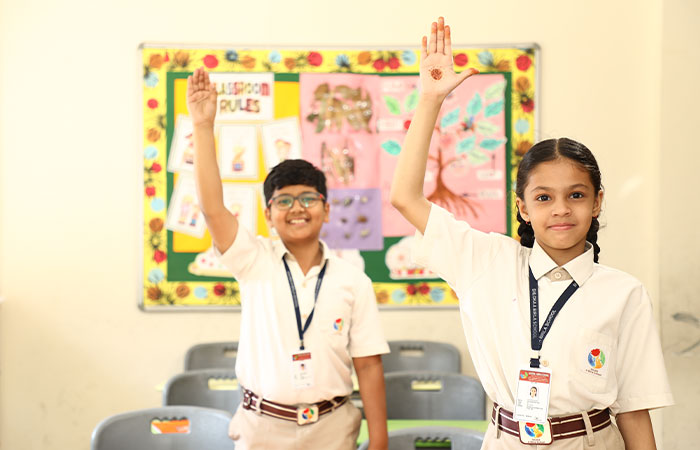
Glimpses of campus life showcase learning, fun, friendships, and growth through activities, events, and everyday moments that shape unforgettable student experiences.